

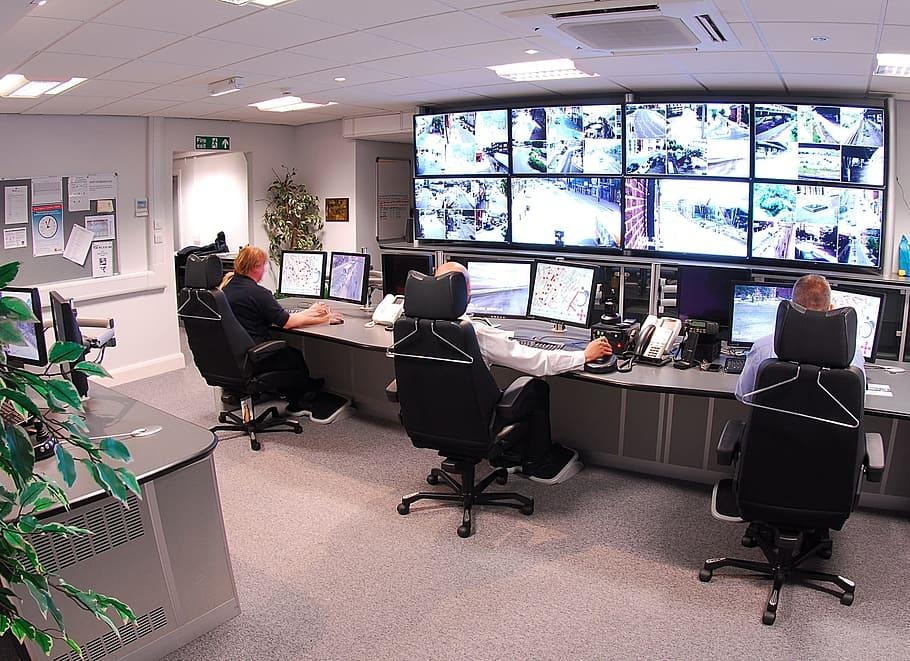
Security decisions often come with a mix of urgency and uncertainty. Business owners know they need reliable protection, but understanding the financial side of modern solutions can be challenging. Video monitoring systems, in particular, have become more advanced and more accessible, yet their pricing structures remain complex.
To make a sound investment, it helps to look beyond the surface. Costs are not just about equipment or monthly fees—they reflect the level of protection, responsiveness, and long-term value a system can provide.
Why Video Monitoring Has Become a Core Security Tool
Video monitoring has evolved from simple recording setups into fully integrated security systems. Modern solutions provide real-time visibility, instant alerts, and the ability to respond quickly to potential threats. This shift has made video monitoring a central component of business security strategies.
As risks become more varied, businesses rely on these systems not only to deter incidents but also to document and analyze them. This dual role increases their importance and influences how companies approach budgeting for security.
Key Factors That Influence Monitoring Costs
Scope of Coverage
The size and layout of a property play a major role in determining costs. Larger spaces require more cameras, broader coverage, and more complex system configurations. Areas with higher risk levels may also need enhanced monitoring, which can add to overall expenses.
Coverage decisions should be guided by risk assessment rather than convenience. Placing cameras strategically ensures that resources are used efficiently while maintaining effective protection.
Level of Monitoring Service
Not all monitoring services are created equal. Some systems rely on passive recording, while others include active, real-time monitoring by trained professionals. The latter offers faster response times and greater situational awareness but typically comes with higher recurring costs.
Businesses must weigh these differences carefully, considering how much oversight they require and how quickly they need to respond to potential incidents.
Understanding Pricing Transparency in Security Services
Clear pricing is essential when evaluating security solutions. Hidden fees or unclear service descriptions can lead to unexpected expenses over time. Reviewing detailed breakdowns helps businesses understand exactly what they are paying for and how those costs align with their needs.
For those seeking a clearer perspective, resources like the cost of video monitoring by Pioneer Security provide insight into how pricing structures are organized and what factors contribute to overall expenses. This level of transparency allows decision-makers to compare options more effectively.
The Connection Between Security and IT Infrastructure
Modern video monitoring systems rely heavily on underlying IT infrastructure. Network stability, data storage, and system integration all influence performance and reliability. As a result, security planning increasingly overlaps with IT strategy.
Businesses exploring integrated solutions often benefit from insights shared in discussions like how managed IT services support business growth, where the role of customized infrastructure in supporting operational efficiency is examined. Strong IT foundations ensure that monitoring systems operate smoothly and consistently.
Community Safety and Broader Security Impact
Security investments do not exist in isolation. They contribute to broader efforts to create safer environments for employees, customers, and surrounding communities. Well-monitored spaces can deter criminal activity and support faster response times during emergencies.
Initiatives highlighted in resources such as the public safety partnerships program overview demonstrate how coordinated efforts between businesses and public agencies can improve overall safety outcomes. Video monitoring systems often play a key role in these collaborative approaches.
Evaluating Long-Term Value Over Short-Term Cost
While upfront expenses are important, long-term value should guide decision-making. Lower-cost systems may lack essential features or require frequent upgrades, leading to higher costs over time. Investing in a reliable, scalable solution often proves more cost-effective in the long run.
Businesses should also consider maintenance, system updates, and potential expansion when evaluating options. A solution that adapts to changing needs offers greater flexibility and reduces the likelihood of costly replacements.
The Role of Professional Support
Professional support is a critical yet sometimes overlooked component of video monitoring systems. Installation, system configuration, and ongoing maintenance all require expertise. Without proper support, even advanced systems may fail to deliver expected results.
Working with experienced providers ensures that systems are set up correctly and continue to operate efficiently. This partnership can also provide valuable guidance as security needs evolve.
Preparing for Future Security Needs
Security technology continues to advance, bringing new capabilities and opportunities. Artificial intelligence, cloud-based monitoring, and predictive analytics are becoming more common, offering enhanced performance and deeper insights.
Planning for these developments helps businesses stay ahead of potential challenges. Systems designed with future integration in mind are better equipped to adapt as new technologies emerge.
Conclusion
Investing in video monitoring systems requires more than comparing price tags. It involves understanding the factors that shape costs, evaluating the level of protection needed, and considering how systems will perform over time.
By focusing on value, transparency, and long-term planning, businesses can make informed decisions that support both security and operational success. A well-chosen monitoring system does more than protect assets—it strengthens confidence and creates a safer environment for everyone involved.
