

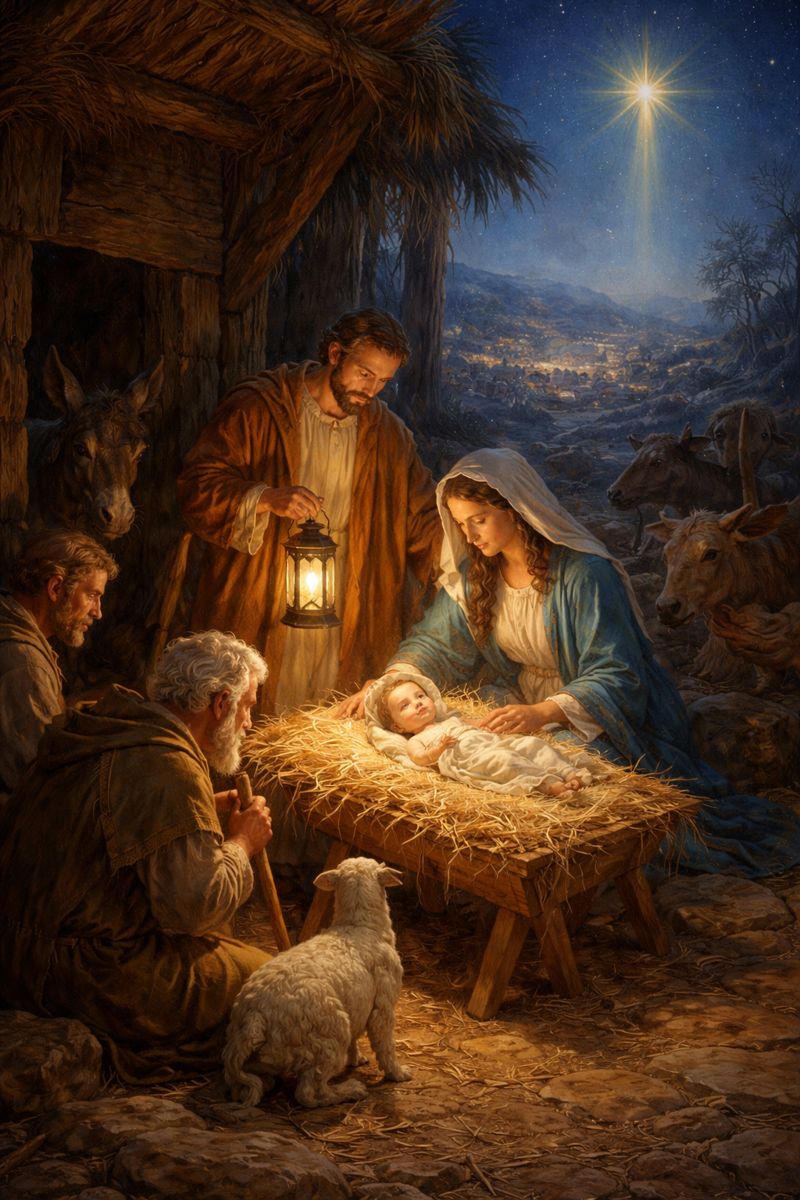
Introduction: What Is Nativität and Why It Matters
The word nativität carries a depth of meaning that spans centuries, cultures, and belief systems. At its simplest level, it refers to birth or origin. Yet, when explored more deeply, nativität becomes a powerful symbol of renewal, identity, and the beginning of something meaningful. Historically linked with sacred narratives, especially within Christian tradition, the concept has also evolved into a broader cultural and philosophical idea embraced worldwide.
In modern society, nativität is not only remembered as a religious event but also understood as a metaphor for hope, humility, and transformation. From art galleries to family traditions and academic studies, nativität continues to inspire reflection on life’s beginnings and humanity’s shared values.
This article presents a fully original and up-to-date exploration of nativität, covering its meaning, origins, symbolism, artistic role, global interpretations, and relevance in the modern world.
The Meaning and Linguistic Background of Nativität
Etymology and Language Origins of Nativität
The term nativität originates from the Latin word nativitas, which translates to “birth” or “coming into existence.” Over time, the word traveled across European languages, preserving its core meaning while acquiring cultural and spiritual dimensions.
In both academic and everyday use, nativität refers to the moment when something meaningful begins—whether that is a person, an idea, or a spiritual movement.
Nativität as a Symbolic Concept
Beyond literal birth, nativität represents origins in a symbolic sense. It reflects the starting point of transformation and the emergence of purpose. This broader interpretation allows the concept to extend into philosophy, sociology, and personal development, making it relevant far beyond religious discussion.
Historical Foundations of Nativität
Early Historical References to Nativität
The earliest documented narratives of nativität are found in religious texts that describe the birth of spiritually significant figures. These accounts were preserved not merely as historical records but as moral and theological teachings intended to guide communities.
Over centuries, these stories shaped traditions, rituals, and calendars, embedding nativität into the collective memory of societies.
Evolution of Nativität Through the Ages
As civilizations changed, so did the interpretation of nativität. In early communities, it was commemorated through simple storytelling and symbolic acts. During medieval times, public celebrations, dramatizations, and visual representations became more common.
By the modern era, nativität had evolved into both a sacred observance and a cultural tradition, adapting to changing social values while preserving its core message.
Religious Importance of Nativität
Nativität in Christian Theology
Within Christianity, nativität marks the birth of Jesus Christ and is viewed as a defining moment in spiritual history. It symbolizes divine love entering the human world and emphasizes themes of humility, sacrifice, and salvation.
The narrative highlights modest surroundings and ordinary people, reinforcing the belief that spiritual significance is not limited to power or wealth.
Spiritual Messages Conveyed Through Nativität
The symbolism within nativität narratives conveys lessons about compassion, faith, and unity. Each element—from the setting to the individuals present—serves as a reminder of moral responsibility and shared humanity.
Nativität in Art and Creative Expression
Visual Art and Nativität
Artists across centuries have interpreted nativität through painting, sculpture, and architecture. Early artworks focused on symbolic imagery, while later periods introduced realism, emotion, and cultural detail.
Renaissance and modern artists reimagined nativität in ways that reflected their societies, proving the theme’s adaptability and enduring appeal.
Music, Poetry, and Storytelling Inspired by Nativität
Music and literature have played a central role in expressing the emotional essence of nativität. Songs, poems, and narratives inspired by the theme often emphasize joy, reflection, and spiritual wonder.
These creative forms allow people to connect with nativität on a personal level, regardless of religious background.
Cultural Traditions Associated With Nativität
European Celebrations of Nativität
In many European regions, nativität is celebrated through elaborate traditions that combine religious devotion with local customs. Public displays, performances, and family rituals bring communities together and preserve cultural heritage.
These traditions often evolve over time, incorporating contemporary values while honoring historical roots.
Global Cultural Adaptations of Nativität
Outside Europe, nativität has been reinterpreted to reflect diverse cultures. Local materials, attire, and symbols are used to depict the theme in ways that resonate with regional identity.
This global adaptation demonstrates how nativität transcends borders, uniting people through a shared appreciation for beginnings and hope.
Modern Perspectives on Nativität
Nativität in Today’s Society
In the modern world, nativität is approached from both religious and secular viewpoints. Some view it as a sacred event, while others see it as a cultural or symbolic tradition representing peace and renewal.
Its message continues to inspire charitable acts, reflection, and community engagement.
Nativität as a Metaphor for Renewal
Beyond tradition, nativität has become a metaphor for personal growth and societal change. It represents the idea that new beginnings are always possible, even in challenging circumstances.
Educational and Social Value of Nativität
Teaching Ethics Through Nativität
Educators often use nativität narratives to teach values such as empathy, generosity, and humility. These stories provide accessible examples that encourage moral reflection and discussion.
Nativität and Community Connection
Events centered on nativität foster unity and cooperation. They provide opportunities for people of different backgrounds to come together, strengthening social bonds and promoting understanding.
Why Nativität Remains Relevant Today
Enduring Lessons of Nativität
The enduring relevance of nativität lies in its universal themes. Birth, hope, and transformation are experiences shared by all humanity, making the concept timeless and relatable.
Preserving the Core Meaning of Nativität
As interpretations evolve, preserving the essence of nativität becomes essential. Whether expressed through art, tradition, or reflection, its message continues to encourage compassion and renewal.
Strong Conclusion
The concept of nativität stands as a powerful reminder of beginnings and the potential for transformation. From its ancient linguistic roots to its role in religion, culture, and modern life, nativität has consistently symbolized hope, humility, and unity.
In a rapidly changing world, its message remains profoundly relevant. Nativität teaches that meaningful change often begins quietly and that even the simplest origins can lead to lasting impact. By understanding and preserving its essence, societies continue to find inspiration in the timeless story of beginnings.
Frequently Asked Questions (FAQs)
1. What is the basic meaning of nativität?
Nativität means birth or origin and often represents the beginning of something significant, both literally and symbolically.
2. Is nativität only related to religion?
No, while it has strong religious roots, nativität is also a cultural and symbolic concept representing renewal and new beginnings.
3. Why is nativität important in art and culture?
It provides artists and cultures with a meaningful theme centered on hope, humility, and transformation.
4. How is nativität viewed in modern society?
Today, nativität is seen as both a spiritual tradition and a metaphor for positive change and renewal.
5. Why does nativität continue to matter today?
Because it reflects universal human experiences and values that remain relevant across generations.
